Learn what off-grid solar is, how it works, and why it’s ideal for remote locations. Discover the components, benefits, and future of off-grid solar systems in India with Ganesh Green Bharat Limited.
With rising electricity costs and growing awareness of renewable energy, many households, businesses, and farms are turning to solar power.
While on-grid solar systems are common in urban areas, off-grid solar systems are becoming increasingly popular in rural and remote locations where grid electricity is unavailable or unreliable.
This article will explain what off-grid solar is, how it works, and why it’s a practical choice for energy independence.
What is Off-Grid Solar?
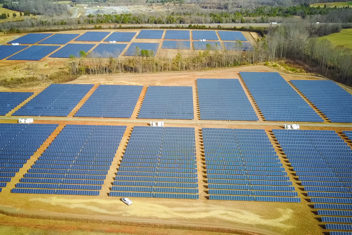
An off-grid solar system is a standalone power generation solution that operates independently of the utility grid.
Unlike on-grid systems, it does not rely on external power supply.
This setup is ideal for:
Remote villages without grid access
Farms and agricultural operations
Holiday homes or cabins in isolated areas
Disaster-prone locations where grid failure is common
The key feature of off-grid solar is self-sufficiency — you generate, store, and use your own electricity without depending on an external power network.
Key Components of an Off-Grid Solar System
To understand how an off-grid solar system works, it’s important to know its main components:
1. Solar Panels
These panels convert sunlight into direct current (DC) electricity. The efficiency of your solar panels determines how much energy you can generate daily.
2. Charge Controller
A charge controller regulates the voltage and current coming from the solar panels to the batteries.
It prevents overcharging and prolongs battery life.
3. Battery Bank
Since solar power is not generated at night or during cloudy weather, batteries store excess energy for later use.
Lithium-ion and deep-cycle lead-acid batteries are common choices.
4. Inverter
The inverter converts stored DC power into alternating current (AC), which is compatible with most home and business appliances.
5. Load
This includes all electrical devices and appliances powered by the system, such as lights, fans, refrigerators, and machinery.
How Does Off-Grid Solar Work?
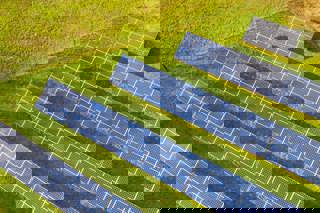
The process of generating and using electricity with an off-grid solar system can be broken down into the following steps:
1. Solar Energy Capture – Solar panels capture sunlight and convert it into DC electricity.
2. Regulation – The charge controller regulates the flow of energy to prevent battery overcharging.
3. Storage – Excess electricity is stored in the battery bank for later use.
4. Conversion – The inverter converts DC power from the batteries into AC power for appliances.
5. Consumption – Appliances and devices use the stored electricity as needed.
The system is designed to provide uninterrupted power even when sunlight is unavailable, making it suitable for 24/7 electricity supply in off-grid locations.
Advantages of Off-Grid Solar Systems
1. Energy Independence
You are completely independent from the utility grid, which means no power cuts or reliance on external supply.
2. Perfect for Remote Locations
Off-grid solar is the best option for areas where grid extension is costly or impossible.
3. Long-Term Savings
Although the initial investment is higher due to battery costs, it eliminates monthly electricity bills.
4. Sustainable and Eco-Friendly
Off-grid solar reduces carbon footprint by using clean, renewable energy.
5. Reliable Power Supply
Even during blackouts or natural disasters, off-grid systems keep essential services running.
Challenges to Consider
While off-grid solar offers many benefits, there are some factors to consider:
* Higher Initial Cost – Batteries and inverters increase setup expenses.
* Battery Maintenance – Batteries need replacement every few years, depending on usage.
* Energy Management – Power availability depends on system sizing and weather conditions, so overuse can drain stored energy.
Who Should Choose Off-Grid Solar?
Off-grid solar is ideal for:
* Villages without grid connectivity
* Agricultural farms needing irrigation pumps or cold storage
* Remote resorts and eco-tourism destinations
* Emergency backup for hospitals and disaster relief centres
Future of Off-Grid Solar in India
India’s vast rural areas and government incentives for renewable energy make off-grid solar an attractive investment.
With advancements in battery technology, such as lithium-ion and hybrid storage systems, the efficiency and lifespan of off-grid solar systems are improving rapidly.
As installation costs gradually decrease, more households and businesses will embrace complete energy independence.
Conclusion
Off-grid solar systems are more than just a backup power source — they are a sustainable, cost-effective, and independent energy solution.
Whether you live in a remote area or simply want to reduce reliance on the utility grid, off-grid solar can provide a reliable source of electricity for years to come.
Contact us today to start your journey toward energy independence.
📞 Call: +91951 951 8 951
🌐 Visit: www.ganeshgreen.com