Overhead and underground transmission and distribution lines
Overhead and Underground Transmission and Distribution Lines are the lifelines of our electrical infrastructure, playing a crucial role in the efficient transfer of electricity from power generation sources to the points where it's needed most. These systems are a testament to human engineering, facilitating the delivery of electricity across vast distances.
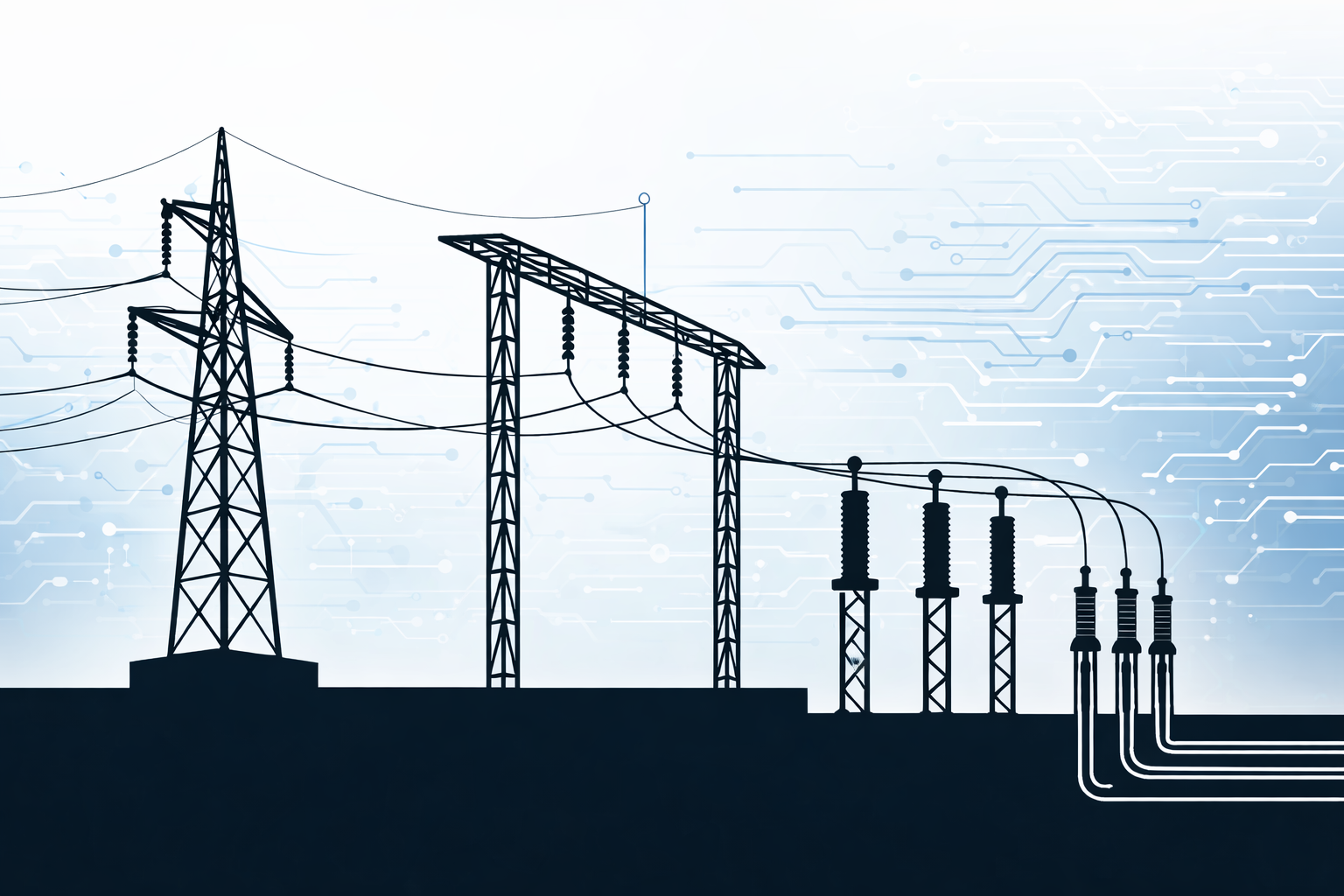
Overhead transmission lines
Overhead transmission lines, often known as power lines, form an intricate network that transmits electricity over long distances. They are categorized based on voltage, with options such as 6.6 kV, 11 kV, 33 kV, 66 kV, and more. These lines transport power from generating stations or transmission power substations to distribution substations. Various types of overhead transmission lines include single circuit, double circuit, single pole, double pole, towers, and more.
The components of transmission and distribution lines
The intricate work related to transmission and distribution lines encompasses various components and processes:
- Planning and design: The foundation of any successful transmission and distribution project starts with meticulous planning and design to ensure an efficient and reliable system.
Tower/pole structures:Sturdy tower or pole structures are essential for supporting the weight and tension of the transmission lines, ensuring they remain secure and functional.
- Stringing conductors: Conductors, often made of aluminium or copper, are strung along the towers or poles, serving as the highways for electricity to travel.
- Cross arms: Cross arms provide support for conductors and insulators, maintaining proper spacing and electrical isolation.
- Stay wire:These wires offer additional support to the structures, preventing swaying or movement during adverse weather conditions.
- Earthing:Proper grounding and earthing systems are essential for safety and ensuring that excess electricity is safely dissipated.
- Insulators and hardware:Insulators are used to electrically insulate the conductors from the supporting structures, preventing electricity from leaking into the ground.
- Lightning arrestors: Lightning arrestors protect the system from lightning strikes, preventing damage and power outages.
- Foundation:Strong foundations are necessary for the stability and durability of tower and pole structures.
Underground transmission and distribution lines
In contrast to overhead lines, underground transmission and distribution lines are buried below the surface, offering a more aesthetic and reliable solution in urban and environmentally sensitive areas. These lines are protected from weather and environmental elements.
Whether overhead or underground, the transmission and distribution l